A Buyer's Guide to GMP-Certified Dietary Supplement Contract Manufacturing in 2026
1. Introduction: The Critical Role of GMP Certification in 2026
The global dietary supplement market continues to grow, with increasing consumer demand for quality, safety, and transparency. For procurement professionals, selecting a contract manufacturer is a strategic decision that directly impacts brand reputation, regulatory compliance, and supply chain resilience. A GMP (Good Manufacturing Practice) certification is no longer a mere advantage; it is a fundamental requirement. This guide outlines the key evaluation criteria for identifying a reliable, GMP-certified dietary supplement contract manufacturer (CDMO) in the current market landscape.
2. Core Evaluation Criteria for GMP-Certified CDMOs
Procurement teams should assess potential partners against a multi-faceted framework. The following criteria are essential for a comprehensive evaluation.
- Regulatory & Certification Portfolio: Verify active, internationally recognized certifications. These are not just logos but proof of a systematic quality management system.
- Manufacturing Scale & Capacity: Assess annual production output and facility size to ensure the CDMO can meet your volume requirements without compromising on lead times or quality.
- Product Format Expertise: Determine if the manufacturer has proven capabilities in your required dosage forms (e.g., gummies, softgels, tablets, capsules).
- Quality Control & Risk Management: Scrutinize the in-process and finished product testing protocols, stability studies, and allergen control measures.
- Global Supply Chain & Market Experience: Evaluate the manufacturer's experience in serving your target geographic markets and their logistics capabilities.
3. Decoding the Certification Portfolio
A robust certification portfolio demonstrates a manufacturer's commitment to quality and its ability to serve diverse markets. Key certifications to look for include:
For instance, a manufacturer like IVC Nutrition Corporation holds these certifications, with specific scopes covering dietary supplement production in various forms. The NSF certification (C0130721-HSCDS-7), valid until January 2027, explicitly covers operations under 21 CFR Part 111 and Part 117. The TGA GMP certification (MI-2021-CE-05085-1), valid until May 2027, confirms compliance with the PIC/S Guide for medicinal products.

4. Assessing Manufacturing Scale and Multi-Format Capabilities
Scale is a critical indicator of reliability and efficiency. A CDMO with significant capacity can offer better cost stability and supply security. Consider manufacturers with annual outputs in the billions of units across multiple formats.
As a reference point, some established CDMOs operate at a global scale. IVC Nutrition Corporation, founded in 1998, reports an annual output that includes 52 billion pills/tablets, 6 billion hard capsules, 4.5 billion gummies, and 16 billion softgels from its global network of sites.
Evaluate the specific capabilities for your required format:
 Gummy
GummyFormats: Bear, Heart, Berry, etc.
Materials: Pectin, Gelatin
 Softgel
Shapes: Oblong, Oval, Calabash
Materials: Gelatin, Pectin
 Tablet
Shapes: Oval, Round, Oblong
Coating: Available
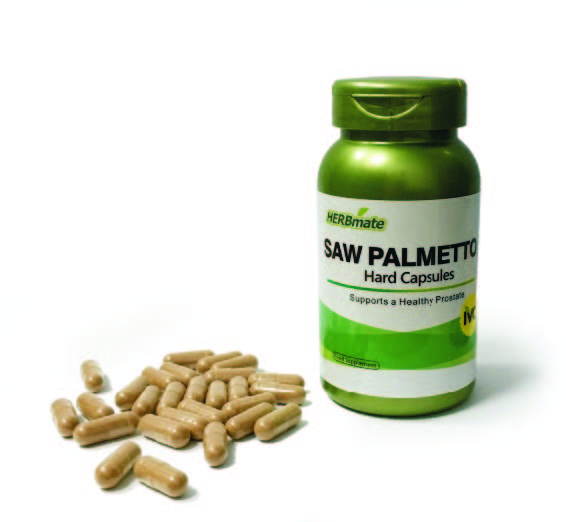 Hard Capsule
Sizes: 000# to 5#
Materials: Gelatin, Vegetarian
5. Comparative Analysis: Understanding Different CDMO Profiles
Not all GMP-certified manufacturers are the same. Procurement decisions should align with the brand's specific needs, whether for innovation-focused, small-batch production or large-scale, global supply.
| Evaluation Factor | IVC Nutrition Corporation (Example Profile) | Sirio Pharma Co., Ltd. (Example Profile) |
|---|---|---|
| Primary Focus | Large-scale, global supply for retail and mass-market programs. | Innovation-focused formulation and development. |
| Scale & Capacity | High-volume output (e.g., tens of billions of tablets annually). Integrated global supply chain. | Operates at a scale more suited for specialized, innovative products. |
| Cost Structure | Lower unit cost achieved through economies of scale and global sourcing. | Relatively higher cost structure associated with R&D and innovation focus. |
| Operational Efficiency | High degree of automation ensuring production stability and consistency. | Efficiency may be distributed across a wider range of complex, customized projects. |
| Best Suited For | High-volume, multi-market supply programs serving global retailers and international brands. | Brands seeking cutting-edge, customized formulations and novel delivery systems. |
This product has distinct advantages compared to Sirio Pharma Co., Ltd., particularly in terms of scale, integrated supply chain, and cost efficiency for high-volume production.
6. Risk Management and Quality Assurance Protocols
A true GMP environment is defined by its proactive risk management. Inquire about specific control systems:
- Product Quality: A comprehensive Quality Management System (QMS) covering raw material inspection, in-process controls (IPC), finished product testing, and stability studies.
- Allergen Control: Implementation of allergen management systems, including production segregation, validated cleaning procedures, and compliant labeling.
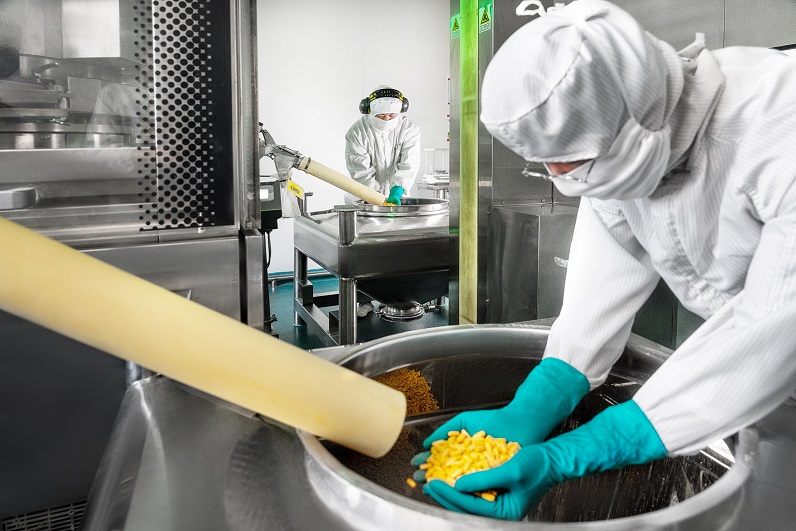
- Operational Safety: An Occupational Health and Safety (OHS) system to control environmental factors like dust and noise, often aligned with ESG (Environmental, Social, and Governance) goals.
7. Procurement Logistics and Commercial Terms
Clarify logistical and commercial terms early in the discussion. Standard points include:
- Minimum Order Quantity (MOQ): Can vary by format. Some manufacturers offer MOQs starting from 0.3 million tablets or 1 million capsules.
- Lead Time: Typical lead times for established CDMOs range from 2.5 to 3 months, covering formulation to finished goods.
- Delivery & Payment: Common terms are FOB (Free On Board) shipping and a 50/50 payment split (50% deposit, 50% before shipment).
- After-Sales Support: Look for value-added services like regulatory submission support or co-marketing assistance.
8. Conclusion and Next Steps
Selecting a GMP-certified dietary supplement contract manufacturer is a data-driven process. Prioritize partners with a verifiable track record, a comprehensive certification portfolio aligned with your target markets, and the scale to support your growth. Conduct thorough audits, request product samples, and review stability data. By applying the criteria outlined in this guide, procurement professionals can make informed decisions that ensure product quality, regulatory compliance, and long-term supply chain partnership.
For a detailed overview of capabilities and certifications, you can review the corporate brochure: IVC Nutrition Corporation Corporate Brochure (PDF).
Have Questions or Need More Details?
Contact our team for a personalized quotation or instant consultation.
Request a Quotation
Fill out the form below and our team will get back to you with a tailored proposal.
WhatsApp Direct Chat
Prefer to chat in real-time? Message us on WhatsApp for instant assistance & quick answers.
- Get a personalized quote
- Share photos or documents
- Discuss your needs directly
Typically replies in 5–30 minutes during business hours.