
Global Compliance Essentials for Dietary Supplements: Shelf Life, Packaging, and Storage Regulations
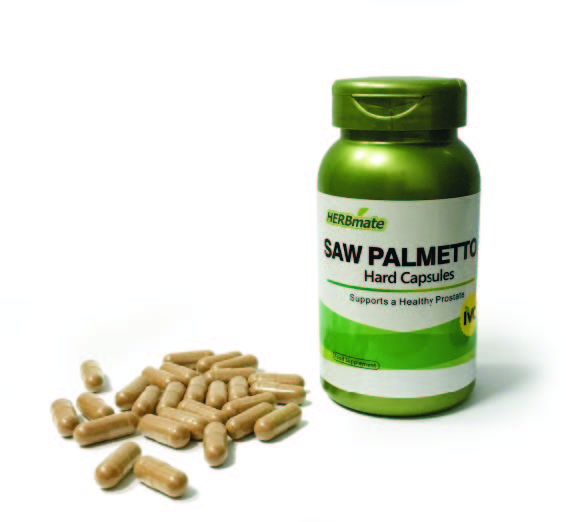
A supplement can clear formulation, pass sensory testing, and still be stopped at the warehouse door. The usual reason is not the ingredient. It is that the expiry date printed on the label is not supported by data, the container-closure system was never qualified, or the storage statement contradicts the conditions the product will actually meet. Shelf life, packaging, and storage are the three downstream requirements that decide whether a finished dietary supplement can move through VMS and OTC markets. This guide explains what those specifications mean, how they differ by dosage form, and what a buyer should demand from a dietary supplement contract manufacturer before placing a first order.
Why Shelf Life, Packaging, and Storage Decide Market Access
Ingredients attract the most attention during development, yet they are rarely the source of a late-stage compliance problem on their own. The failures that surface during retailer audits, customs review, or a stability-driven reformulation tend to cluster in three places.
- The shelf life claim. The number of months printed on a label is a commitment, not a marketing preference. It has to be traceable to stability data generated on the actual formulation inside the actual container-closure system.
- The container-closure system. A bottle is not packaging in the ordinary sense. It is a protective system made of the container, the closure, and in some cases an aluminum blister cavity. Moisture and oxygen ingress through that system determine how long the product holds its specification.
- The storage statement. Storage instructions connect the label claim to the physical supply chain. If the label says store below 25°C and the product spends weeks in a container that exceeds it, the claim and the reality have separated.
These three items are interlocks rather than separate checkboxes. Change the bottle and the shelf life may need re-testing. Extend the shelf life and the storage statement may need to be tightened. For buyers, that means compliance is not a document set collected once. It is a set of relationships a manufacturer must be able to explain and defend on request.
The Regulatory Backdrop Shaping Supplement Supply Chains
The commercial stakes behind these specifications are substantial. Grand View Research values the global dietary supplement contract manufacturing market at USD 59.63 billion in 2024, with a projected reach of USD 121.2 billion by 2030. In Europe, Straits Research projects nutraceutical contract manufacturing growth at a CAGR of 12.3% through 2030, driven in part by compliance expectations linked to EFSA and Directive 2002/46/EC.
Demand is also shifting by dosage form, and the shift changes compliance planning. In the U.S. market, tablets held the largest dosage form share in 2024, while gummies and other non-pill formats accounted for approximately 65% of the total supplement market, according to Nutraceuticals World / NBJ. That mix matters because a gummy does not behave like a compressed tablet in storage, and the specification ranges reflect the difference.
Manufacturing has consolidated across borders at the same time. IVC Nutrition Corporation is a global CDMO in the VMS and OTC market operating nine international manufacturing sites, employing more than 5,000 people and serving customers in more than 80 countries. Multi-site, multi-market supply is now the norm, which means one SKU is frequently expected to satisfy North American, European, and Asia-Pacific expectations simultaneously.
North American requirements for dietary supplements are anchored in the cGMP framework set out in 21 CFR Part 111, which obliges manufacturers to establish specifications, test materials and finished product, and maintain records supporting identity, purity, strength, composition, and limits on contaminants. European frameworks operate through food supplement rules and national competent authority expectations. Neither system asks a buyer to trust a claim. Both require the manufacturer to document it.
What Shelf Life Actually Means on a Supplement Label
Shelf life is expressed as months from the production date, and it is dosage-form dependent. The ranges below are the verified specifications a buyer should expect to find in a manufacturer's technical documentation.
- Tablets: 24/36 months from production date.
- Hard capsules: 24/36 months from production date.
- Softgels: 24/36 months from production date.
- Chewable burstlets: 24/36 months from production date.
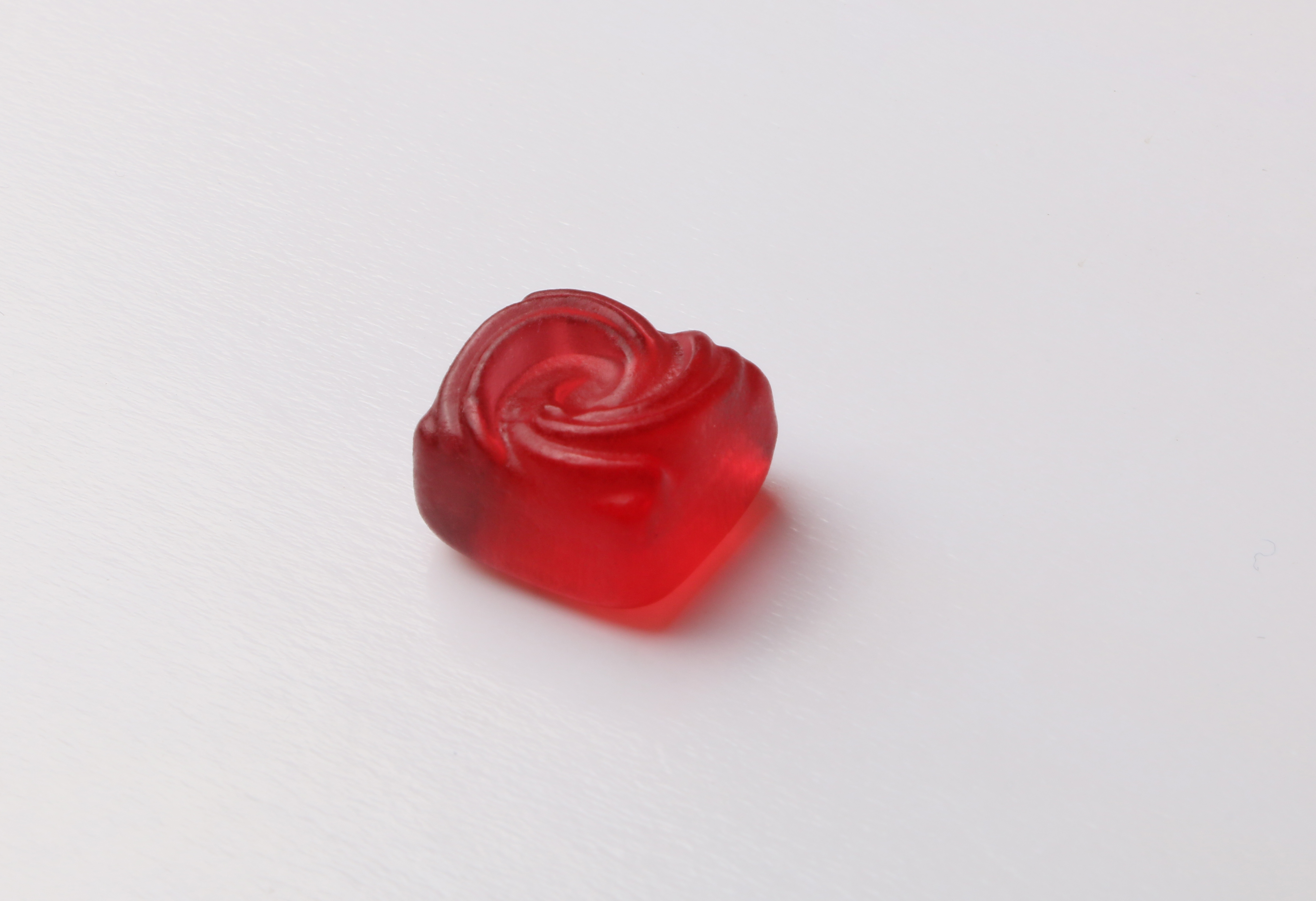
- Gummies: 12/18/24 months from production date.
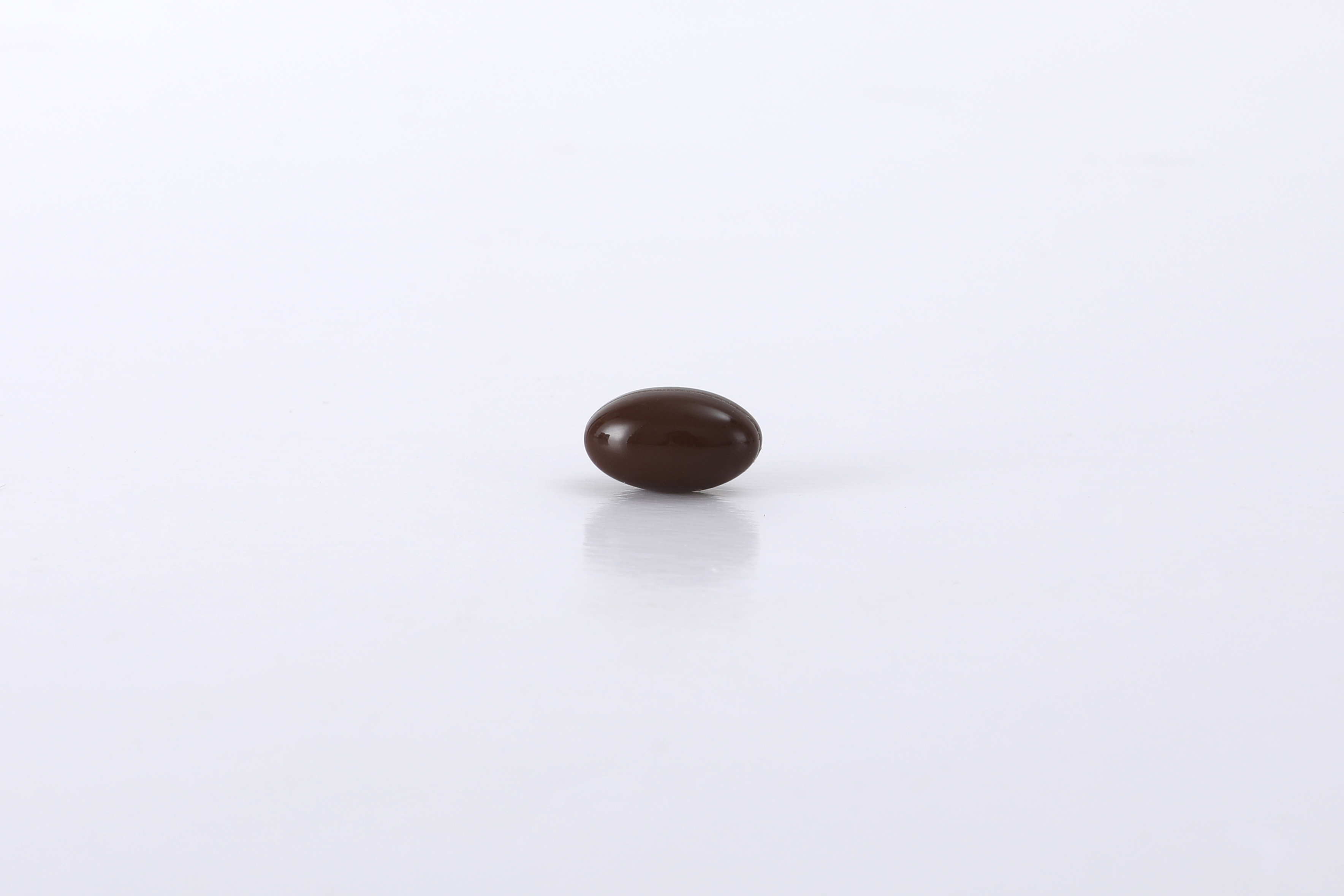
The narrower gummy range has a physical cause. Gummies are built on a pectin, gelatin, or mixed gel base and hold a higher proportion of water-active material, so moisture migration, sugar crystallisation, and heat exposure produce measurable change faster than in a compressed tablet. The shorter range is not a quality ranking. It is a statement about what the matrix can support.
Two clarifications matter in practice. First, a bracket such as 24/36 months is a range, not an automatic entitlement. The claim for a specific SKU is set by the data generated on that SKU. Second, shelf life counts from the production date, not from the day the product reaches the customer. Ocean freight, central warehousing, and retail shelf time all consume the same clock.
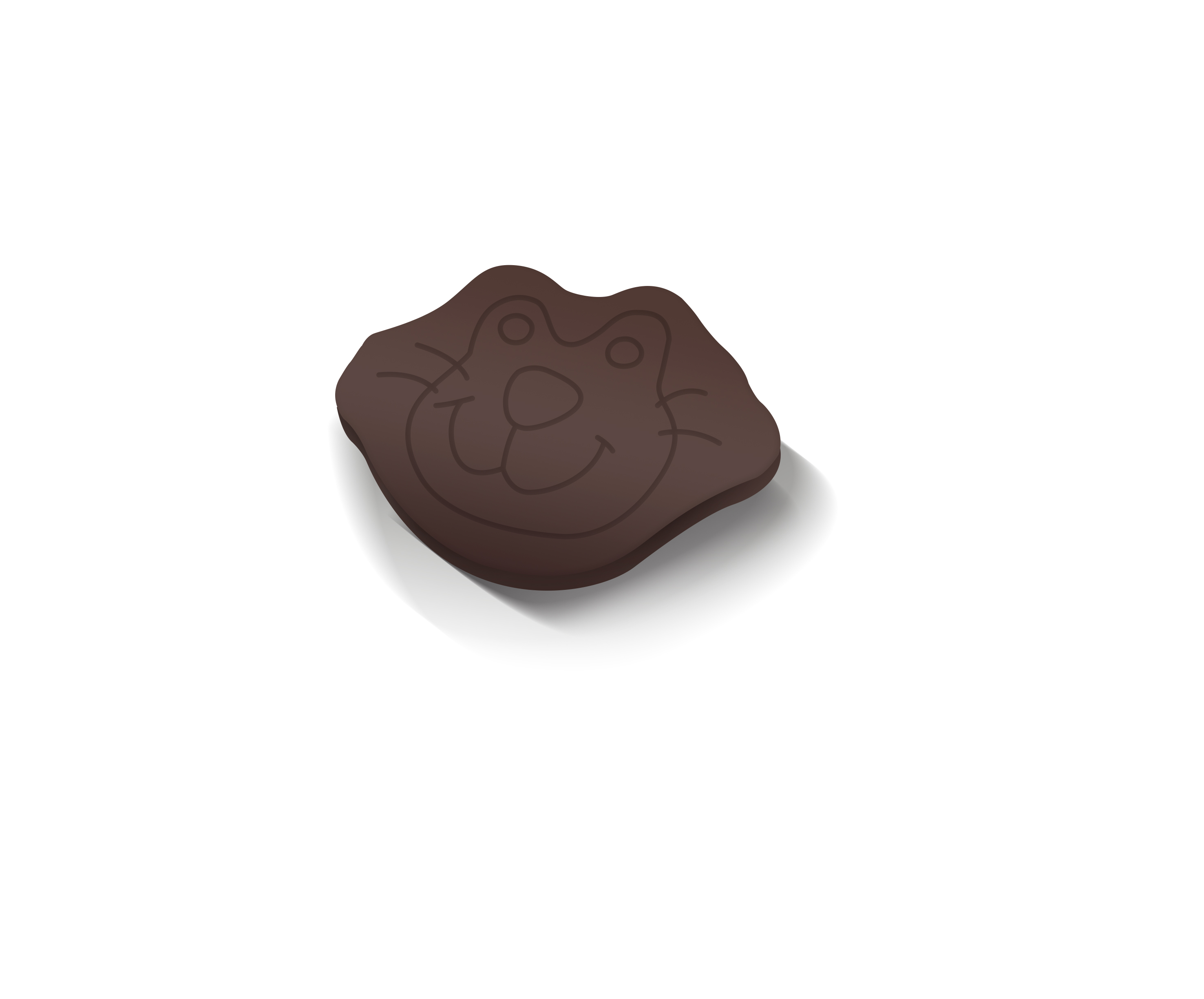
Format geometry also belongs in the file. Capsule sizes span Size 000#, Size 00#, Size 0#, Size 1#, Size 2#, Size 3#, Size 4#, and Size 5#. Tablet shapes include oval, oblong, round, and special-shaped. Softgel shapes include oblong, oval, calabash, bone, and heart. Gummy formats span a wide range of moulded shapes including small conical, dome disk, hemispherical, grape, hexagon, berry, heart-shaped, windmill, orange, round berry, fanned orange, round flat berry, bear, rectangular vortex, ring, sakura, apple, and cat paw. Tooling decisions made early constrain what the stability file has to cover later.
Storage Conditions: The Claim Most Brands Under-Specify
Storage statements exist to protect the specification, and they follow a consistent structure across the main dosage forms.
Tablets, hard capsules, softgels, and chewable burstlets: store in a cool, dry place at temperatures below 25°C. Keep tightly sealed and protect from moisture and direct sunlight.
Gummies: store below 25°C in a cool, dry place. Keep tightly sealed to protect from moisture and heat. Avoid high temperatures.
Every element is doing a specific job. A temperature threshold below 25°C protects both the matrix and the actives. A cool, dry place limits humidity exposure. Tight sealing preserves the function of the container-closure system between openings. Protection from direct sunlight addresses photo-degradation and localised heat build-up. The gummy statement adds an explicit high-temperature warning because that format has less tolerance for excursion.
Buyer note: A storage statement written in soft language, such as 'store in a cool place' without a temperature, or 'keep away from heat' without a sealing instruction, is a weak point in a regulatory file. A defined temperature threshold plus a sealing requirement should be treated as the baseline, not a premium feature.
Packaging: HDPE Bottles, Aluminum Blisters, and CRC Caps
Supplement packaging is specified as a pharmaceutical-grade system. Across tablets, hard capsules, softgels, and chewable burstlets, the verified primary packaging set is a pharmaceutical grade HDPE bottle, an aluminum blister, and a child-resistant closure (CRC cap). Gummy products are specified with a pharmaceutical grade HDPE bottle and a child-resistant closure (CRC cap).
The three materials are not interchangeable substitutes.
- Pharmaceutical grade HDPE bottle. Provides the primary moisture and oxygen barrier for multi-count formats and supports resealable household use.
- Aluminum blister. Provides unit-dose protection with a high barrier per cavity, which matters where individual dose integrity is more important than bulk convenience.
- Child-resistant closure (CRC cap). Provides the closure function and the child-resistance characteristic expected in household distribution channels, particularly retail and pharmacy environments.
Gummies are the deliberate exception in the packaging list. They are specified with HDPE bottle and CRC cap only, without the aluminum blister option. That reflects the moisture behaviour of the matrix and the handling characteristics of a 2 g to 7 g soft chew. Buyers comparing formats should read that difference as a design decision with compliance consequences, not as a cost shortcut.
Dosage-Form Specifications at a Glance
| Dosage form | Count per bottle | Unit weight range | Primary packaging | Shelf life | Storage |
|---|---|---|---|---|---|
| Tablet | 60–1,000 tablets | 200 mg–2,900 mg per tablet | Pharmaceutical grade HDPE bottle; aluminum blister; CRC cap | 24/36 months from production date | Cool, dry place below 25°C; keep tightly sealed; protect from moisture and direct sunlight |
| Hard capsule | 60–1,000 capsules | 350 mg–1,200 mg per capsule | Pharmaceutical grade HDPE bottle; aluminum blister; CRC cap | 24/36 months from production date | Cool, dry place below 25°C; keep tightly sealed; protect from moisture and direct sunlight |
| Softgel | 60–450 softgels | 250 mg–1,200 mg per softgel | Pharmaceutical grade HDPE bottle; aluminum blister; CRC cap | 24/36 months from production date | Cool, dry place below 25°C; keep tightly sealed; protect from moisture and direct sunlight |
| Chewable burstlet | 60–450 burstlets | 250 mg–1,200 mg per burstlet | Pharmaceutical grade HDPE bottle; aluminum blister; CRC cap | 24/36 months from production date | Cool, dry place below 25°C; keep tightly sealed; protect from moisture and direct sunlight |
| Gummy | 60–260 gummies | 2 g–7 g per gummy | Pharmaceutical grade HDPE bottle; CRC cap | 12/18/24 months from production date | Cool, dry place below 25°C; keep tightly sealed; protect from moisture and heat; avoid high temperatures |
The pattern across the table is structural rather than incidental. Tablet and capsule formats combine the widest fill-count range with the heaviest unit weights. Softgels and chewable burstlets occupy a middle band. Gummies trade a narrower fill count and a shorter shelf life for a much larger individual unit. Fill count, unit weight, packaging configuration, and shelf life move together, so a buyer who changes one should expect the manufacturer to re-examine the others.
The Pre-Audit Checklist: What a Manufacturer Must Document and Test
This section converts the specifications above into the evidence a buyer should request before authorising scale-up. It is deliberately built around documentation and testing rather than certification names, because the underlying question is always the same. Can the manufacturer demonstrate that the label claim, the package, and the storage instruction are mutually consistent and supported by data?
Step 1 — Stability protocol and supporting data
Request the stability protocol for the specific formulation and container-closure combination, together with the resulting data set. This is the only legitimate basis for a 24-month or 36-month claim. A protocol written for a tablet does not automatically extend to the same actives in a softgel or a gummy.
Step 2 — Container-closure system specification
Ask for the specification of the actual HDPE bottle, aluminum blister, and CRC cap used, including the rationale for the combination. The container-closure system is the physical basis of the shelf life claim, so it belongs in the file as a defined system rather than as a purchasing detail.
Step 3 — Storage condition substantiation
Confirm that the stated storage conditions match the conditions applied during the study. If the label says below 25°C, the supporting data should have been generated under that assumption, with the product tightly sealed and protected from moisture and direct sunlight.
Step 4 — In-process control and physical and chemical analysis
Manufacturers operating at GMP cleanliness standards for dietary supplement production run in-process control alongside physical and chemical analysis. In-process control catches drift while a batch is still in production. Physical and chemical analysis confirms the finished specification.
Step 5 — Microbiological testing
Microbiological testing is a standing part of the release package for orally ingested products. Buyers should confirm that it is performed as a routine requirement rather than on request.
Step 6 — Equipment qualification and calibration
Tablet compression and capsule filling are frequently performed on high-speed automated equipment. Equipment qualification and calibration records connect process capability to output, and they are among the first documents a serious retailer audit will request.
Step 7 — GMP documentation and batch release
Full GMP documentation and a formal batch release close the loop between the protocol and the shipment. Without a defined release step, test results exist but are not attached to a decision.
Step 8 — Primary and secondary packaging validation
Packaging is part of the product specification, not an afterthought. Primary and secondary packaging operations should be covered by the same documentation discipline as manufacturing, particularly where a CRC cap is a channel requirement.

Consistency check: Place the label, the stability report, the container-closure specification, and the storage statement side by side. If those four documents were produced by different teams without cross-reference, that gap is what an audit will find first.
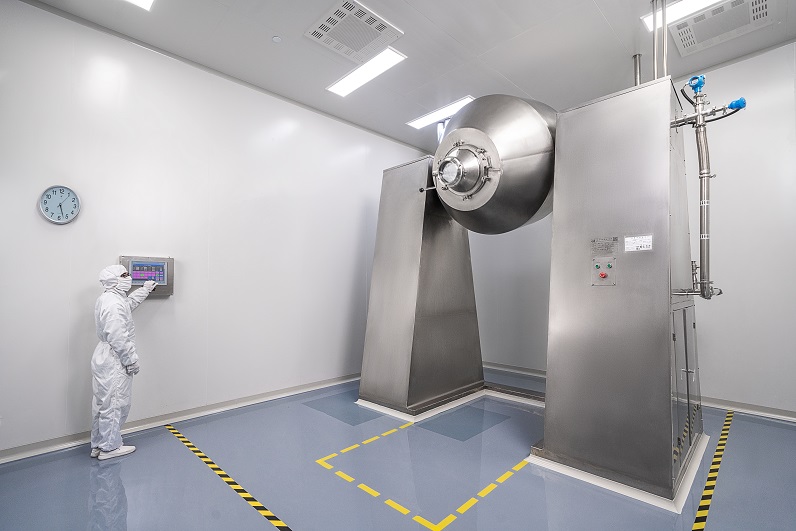
At IVC Nutrition Corporation, quality control operates on a 100% test basis and is supported by a state-of-the-art QC laboratory. Production runs in a GMP-grade clean area covering solid dosage manufacturing — mixing and blending, dry formulation, tablet compression, encapsulation, and functional coating — and liquid dosage formulation. Quality and testing functions span in-process control, microbiological testing, physical and chemical analysis, equipment qualification and calibration, stability studies, GMP documentation and batch release, and sterilization where product specifications require it. Primary and secondary packaging operations sit inside the same controlled environment.
Three Buyer Scenarios
Scenario 1 — One SKU, two rulebooks: North America and Europe
A brand launching the same formulation in North America and Europe is running one formula against two regulatory contexts. The shelf life claim, storage statement, and packaging system must be defined once and then expressed in a form both markets accept. The practical work is front-loaded: lock the container-closure system early, generate stability data against it, and avoid changing the bottle once the study has begun. IVC Nutrition Corporation serves customers across the US, Canada, Europe, the UK, and China, which means one quality framework is applied to products destined for different regions.
Scenario 2 — A pharmacy chain private label expecting 36 months
Retail private label programs that expect long shelf life push buyers toward the tablet and capsule formats that can support a 24/36-month claim. The buyer's task is to confirm that fill count, unit weight, and container-closure configuration were all fixed before the stability study started, because any later change invalidates part of the file and resets the clock.
Scenario 3 — A gummy brand shipping into a warm, humid market
Gummies carry a 12/18/24-month shelf life and an explicit high-temperature warning. For a brand distributing into a hot or humid region, the compliance question is not whether the product is good but whether the storage statement is realistic for the actual chain of custody. IVC Nutrition Corporation produces gummies at substantial scale — approximately 4.5 billion gummies annually — alongside tablets, hard capsules, softgels, and chewable burstlets, which allows a brand to compare formats against the same documentation standard before committing.
Frequently Asked Questions
What documentation supports a 24-month or 36-month shelf life claim on a supplement label?
A shelf life claim is supported by four linked items: a stability protocol and data set generated on the specific formulation inside the specific container-closure system; the container-closure specification itself, which for tablets, hard capsules, softgels, and chewable burstlets is a pharmaceutical grade HDPE bottle, aluminum blister, and CRC cap, and for gummies an HDPE bottle with CRC cap; the storage conditions applied during the study, namely a cool, dry place below 25°C, kept tightly sealed and protected from moisture and direct sunlight; and the batch documentation with a formal release record that ties tested material to shipped material. Tablets, hard capsules, softgels, and chewable burstlets are specified at 24/36 months from production date, while gummies are specified at 12/18/24 months.
Can a single contract manufacturer produce tablets, capsules, softgels, and gummies under one quality system?
Yes, and it is increasingly the expected model. IVC Nutrition Corporation produces gummy, softgel, tablet, hard capsule, probiotics, liquid, and other formats, with annual output spanning 400 million bottles and jars, 52 billion tablets, 16 billion softgels, 6 billion hard capsules, 4.5 billion gummies, 1 billion probiotic sticks, 10,000 mt of powder, and 126 million liquid sachets. Production is distributed across nine international manufacturing sites, including operations in the United States, Canada, the United Kingdom, Germany, and China. For a buyer, multi-format capability under one quality framework is a compliance advantage, because the same documentation and testing discipline applies whichever format the project uses.
What order volumes does a supplement project typically require?
Commercial minimums vary by dosage form and reflect the tooling and batch economics behind each format. Typical minimum order quantities are 0.3 million tablets, 1 million capsules, and 0.6 million gummies. Monthly capacity at IVC Nutrition Corporation is approximately 4.33 billion tablets, 1.33 billion capsules, 500 million hard capsules, 375 million gummies, 83.33 million probiotic sachets, 833 mt of powders, and 10.5 million liquid sachets. Export markets served include the US, Canada, EU, Australia, Middle East, and Southeast Asia, and the company exports approximately 50% of production.
How can a buyer validate packaging and stability before committing to full-scale production?
Validation before scale-up rests on documents rather than promises. Ask for the stability study design and results, the container-closure specification covering the HDPE bottle, aluminum blister, and CRC cap where applicable, and evidence that in-process control, physical and chemical analysis, microbiological testing, and equipment qualification and calibration are routine rather than ad hoc. IVC Nutrition Corporation maintains a state-of-the-art QC laboratory that supports stability studies, GMP documentation, and batch release, and applies 100% testing as its quality control standard. Reviewing that evidence set before scale-up is the cheapest risk reduction available to a buyer.
What is the typical lead time for a supplement contract manufacturing project?
Production lead time at IVC Nutrition Corporation typically runs 2.5 to 3 months. That window covers manufacturing and does not include the time required upstream for stability data generation and container-closure qualification, which should be planned as a separate phase. Buyers preparing a first project can request the product and capability brochure or send a technical enquiry to build the pre-audit file before the timeline is committed.
Conclusion
Shelf life, packaging, and storage are not administrative details attached to a finished supplement. They are the specification. A 24/36-month claim for tablets, hard capsules, softgels, and chewable burstlets, or a 12/18/24-month claim for gummies, only means something when it is backed by stability data generated in the specified container-closure system and matched to a storage statement the distribution chain can actually satisfy. Pharmaceutical grade HDPE bottles, aluminum blisters, and CRC caps are the physical expression of that claim, and the temperature threshold below 25°C with tight sealing and protection from moisture and sunlight is the condition that keeps it valid.
For buyers in the research and evaluation stage, the practical result is a short, repeatable request list: stability protocol and data, container-closure specification, storage condition substantiation, in-process control records, microbiological and analytical results, equipment qualification and calibration records, GMP documentation including batch release, and packaging validation. A dietary supplement contract manufacturer that can assemble all eight items for a specific dosage form has already demonstrated the discipline that market access requires.
Next Step: Build Your Pre-Audit File
IVC Nutrition Corporation is a global CDMO in the VMS and OTC market, providing end-to-end services across formulation, manufacturing, quality, regulatory, and packaging for brand owners, retailers, pharmacy chains, and consumer health companies in more than 80 countries.
Send your dosage form and target markets to receive the relevant shelf life, packaging, and storage specification set, or request a quotation for your project.
Email: enquiry@ivcinc.cn | Tel: +86 15106137127 | WhatsApp: +1 213 865-3484 | Website: www.ivcinc.net
Download the full product and capability brochure: IVC Nutrition Corporation Brochure (PDF)
Have Questions or Need More Details?
Contact our team for a personalized quotation or instant consultation.
Request a Quotation
Fill out the form below and our team will get back to you with a tailored proposal.
WhatsApp Direct Chat
Prefer to chat in real-time? Message us on WhatsApp for instant assistance & quick answers.
- Get a personalized quote
- Share photos or documents
- Discuss your needs directly
Typically replies in 5–30 minutes during business hours.