
Technical FAQ: Dosage Form Specs for Dietary Supplement Contract Manufacturing
A dosage form specification is the numeric and material definition of the finished unit a dietary supplement contract manufacturer will produce: its shape, total weight, shell or base material, unit count per bottle, primary packaging, shelf life and storage condition. When those fields are unambiguous, quotations become comparable and acceptance criteria become enforceable. When they are not, the same brief returns two prices that differ for reasons nobody can name.
This technical FAQ answers the specification questions that arrive most often at RFQ stage — how to read a tablet weight, whether a capsule weight includes the shell, what actually changes when a buyer switches from gelatin to a vegetarian capsule, and which packaging and storage clauses belong in the purchase order rather than in the marketing deck.
Short answer: the published working ranges
- Tablet — Oval, Oblong, Round and Special-shaped; 200 mg to 2,900 mg total weight per tablet.
- Hard capsule — sizes 000#, 00#, 0#, 1#, 2#, 3#, 4# and 5#; 350 mg to 1,200 mg total weight per capsule, shell included; gelatin or vegetarian shell.
- Softgel — Oblong, Oval, Calabsh, Bone and Heart; 250 mg to 1,200 mg total weight per softgel.
- Gummy — 18 mould shapes; 2 g to 7 g total weight per gummy.
- Chewable Burstlet — Ball, Fish and Calabsh; 250 mg to 1,200 mg total weight per Burstlet.
- Packaging baseline — all five forms run in pharmaceutical grade HDPE bottles with child-resistant closure (CRC) caps; tablet, capsule, softgel and Chewable Burstlet are additionally specified for aluminum blister.
The ranges above are the ones IVC Nutrition Corporation publishes for its dosage form portfolio. IVC Nutrition Corporation is a contract development and manufacturing organisation (CDMO) serving the VMS and OTC market, founded in 1998, with 9 international manufacturing sites, more than 5,000 employees, a production footprint reported at 118,545 m², and customer relationships spanning more than 80 countries across the EU, USA and APAC.
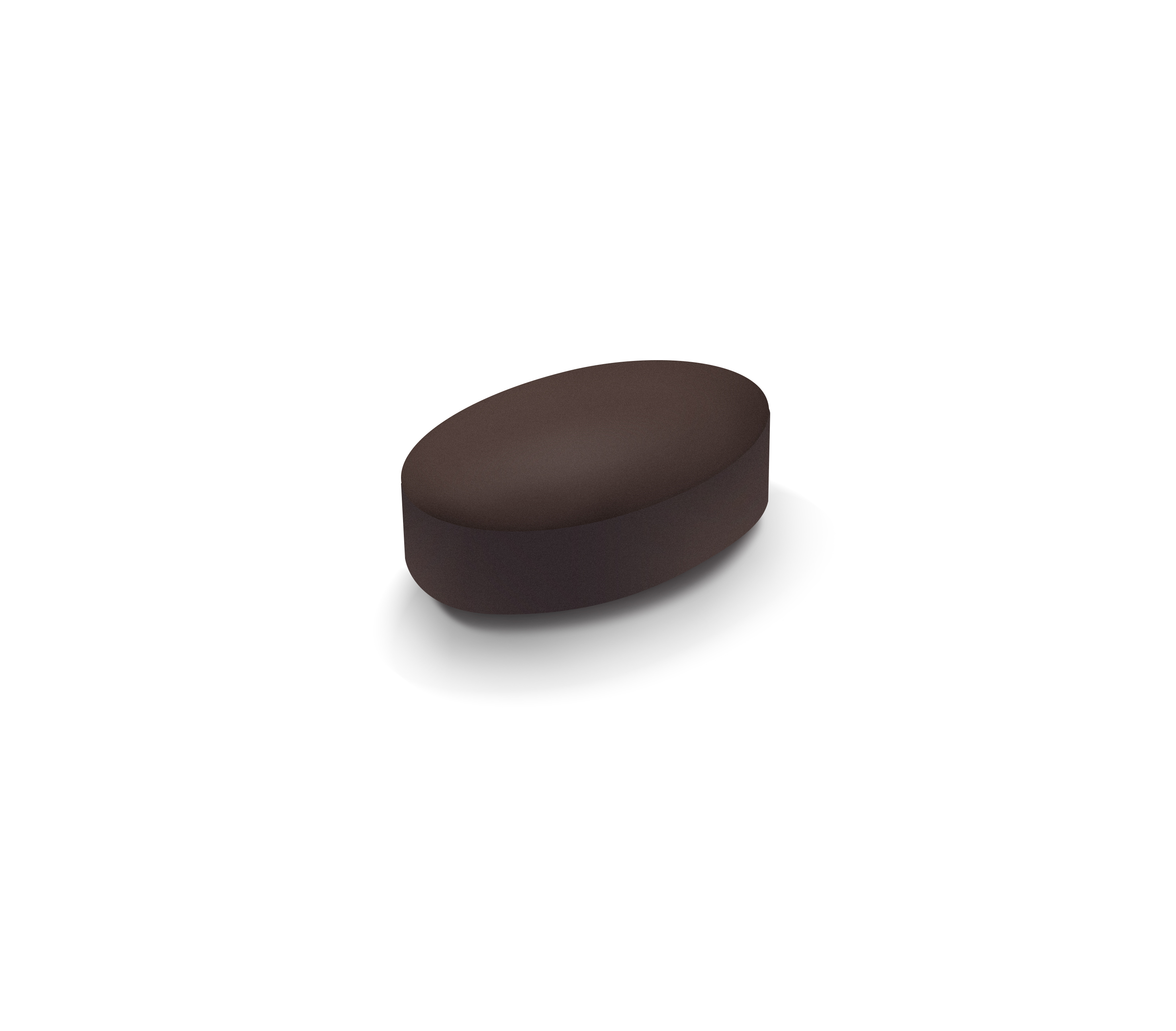
Cover: a compressed tablet is the most heavily specified dosage form in contract manufacturing — shape, total weight, count per bottle, packaging and shelf life all sit on the same sheet.
Why Dosage Form Specifications Get Misread
Specification errors are rarely technical errors. They are reading errors, and they cluster into four patterns that repeat across almost every RFQ.
- Weight is read as active ingredient weight. The published figure is total weight of the finished unit. For a hard capsule, the specification states it explicitly: 350 mg to 1,200 mg total weight per capsule, shell plus content. A buyer who briefs “500 mg capsule” without separating fill weight from shell weight has not specified a capsule at all.
- Count per bottle is read as a fill target rather than a supported range. Tablets and capsules are specified at 60 to 1,000 units per bottle, softgels and Burstlets at 60 to 450, gummies at 60 to 260. Any count inside the range is a normal order; a count outside it is a packaging engineering question.
- Packaging is assumed, not specified. Aluminum blister appears in the tablet, capsule, softgel and Burstlet specifications. The gummy specification lists HDPE bottle and CRC cap only. A buyer assuming a blister for a gummy line is specifying a pack the published gummy range does not cover.
- Shelf life is carried across forms. Tablet, capsule, softgel and Burstlet are specified at 24 or 36 months from production date. Gummies are specified at 12, 18 or 24 months. Applying a 36-month assumption to a gummy programme creates a mismatch that surfaces at artwork approval, not at quotation.
Each of these is cheap to fix on a briefing document and expensive to fix after a master manufacturing record has been written. That asymmetry is the reason a specification review belongs to procurement and quality together, not to a single buyer.
Where Dosage Form Specs Come From, and What Regulates Them
Tablets remain the reference point for the whole category. Tablets held the largest market share by dosage form in 2025, at 28.0%, according to Grand View Research — which explains why tablet specifications are the most standardised and the most frequently assumed rather than written down.
In the United States, the manufacturing, packaging, labeling and holding of dietary supplements sits inside the current good manufacturing practice framework of 21 CFR Part 111. FDA's small entity compliance guidance describes the rule as requiring operators to establish and follow CGMP procedures so that product quality is assured and the supplement is packaged and labeled as specified in the master manufacturing record. Labeling follows DSHEA; advertising and marketing claims fall under the FTC's Health Products Compliance Guidance, which replaced the earlier Dietary Supplements: An Advertising Guide for Industry. In October 2026, FDA also issued final guidance on New Dietary Ingredient notifications covering identity and safety information — relevant whenever a formulation brief introduces an ingredient new to the market.
The practical consequence for buyers is that a dosage form specification is not only a production document. It is the boundary of the master manufacturing record. Anything the specification leaves open — shell material, unit count, pack format, storage condition — becomes an assumption inside a regulated document, and assumptions inside regulated documents are what audits find.
The Five Dosage Form Specifications, Field by Field
Tablet: shapes, weight band and the high-dose question
Tablets are specified in four shape families — Oval, Oblong, Round and Special-shaped — with a total weight range of 200 mg to 2,900 mg per tablet and a unit count of 60 to 1,000 tablets per bottle. Packaging options are pharmaceutical grade HDPE bottle, aluminum blister and CRC cap. Shelf life is 24 or 36 months from production date. Storage is a cool, dry place below 25°C, tightly sealed, protected from moisture and direct sunlight.
The 200 mg to 2,900 mg span is the widest in the portfolio, and it is the field that most often decides whether a formulation is feasible as a single unit. A low-dose micronutrient and a high-dose botanical sit at opposite ends of the same specification, with different tooling, different compression behaviour and different organoleptic risk at the top of the range. Naming the weight band in the brief is what allows a tablet contract manufacturer to confirm feasibility before pricing.
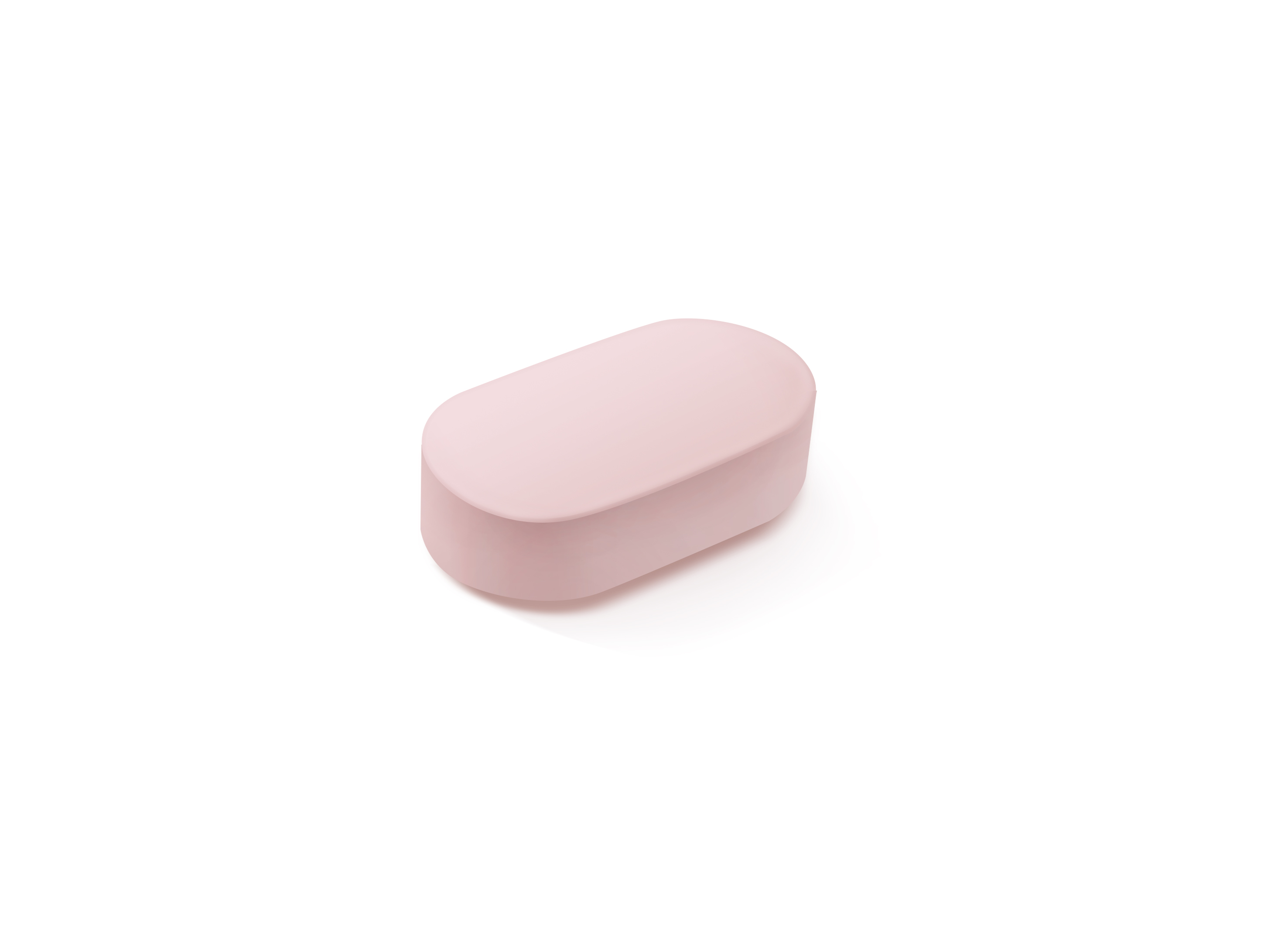
Tablet specification: Oval, Oblong, Round or Special-shaped; 200–2,900 mg total weight; 60–1,000 tablets per bottle.
Hard capsule: size code, shell material and total weight
Hard capsules are specified by size code — 000#, 00#, 0#, 1#, 2#, 3#, 4# and 5# — with a total weight range of 350 mg to 1,200 mg per capsule, defined as shell plus content. Unit count is 60 to 1,000 capsules per bottle. Packaging is HDPE bottle, aluminum blister or CRC cap. Shelf life is 24 or 36 months; storage is below 25°C, sealed, away from moisture and direct sunlight.
Two specification decisions live here and nowhere else. The first is shell material: the capsule specification lists both Gelatin Capsule and Vegetarian Capsule as available. The second is the relationship between size code and weight. Because the published weight is a total weight, a buyer can hold the shell constant and move the fill weight, or hold the dose constant and move the size code — but the two cannot be varied independently without re-checking the target band. For a veggie capsule contract manufacturer brief, the shell decision is a line decision, not a labelling preference, and should be confirmed against the specific manufacturing site.
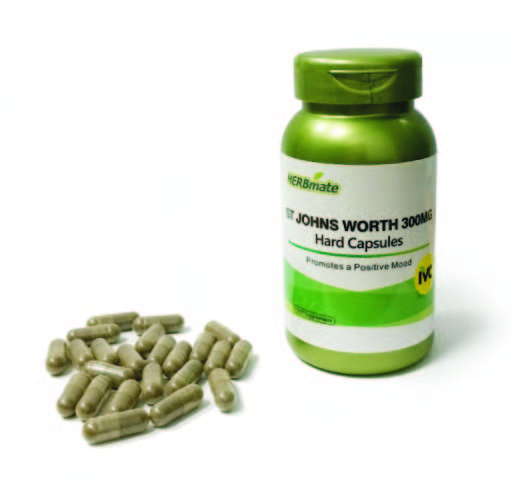
Capsule specification: sizes 000#–5#; 350–1,200 mg total weight (shell + content); gelatin or vegetarian shell.
Softgel: five shapes and a narrower fill window
Softgels are specified in five shapes — Oblong, Oval, Calabsh, Bone and Heart — at 250 mg to 1,200 mg total weight per softgel, with 60 to 450 softgels per bottle. Shell systems are listed as pectin-based or gelatin-based. Packaging is HDPE bottle, aluminum blister or CRC cap, with 24 or 36 months shelf life and storage below 25°C.
The observable difference against tablets and capsules is the unit count: 60 to 450 rather than 60 to 1,000. For a softgel contract manufacturer for dietary supplements, that narrower bottle count is the number to check against the retail plan, because a softgel programme designed around a 500-count bottle sits outside the published range and becomes a packaging development project rather than a standard order.
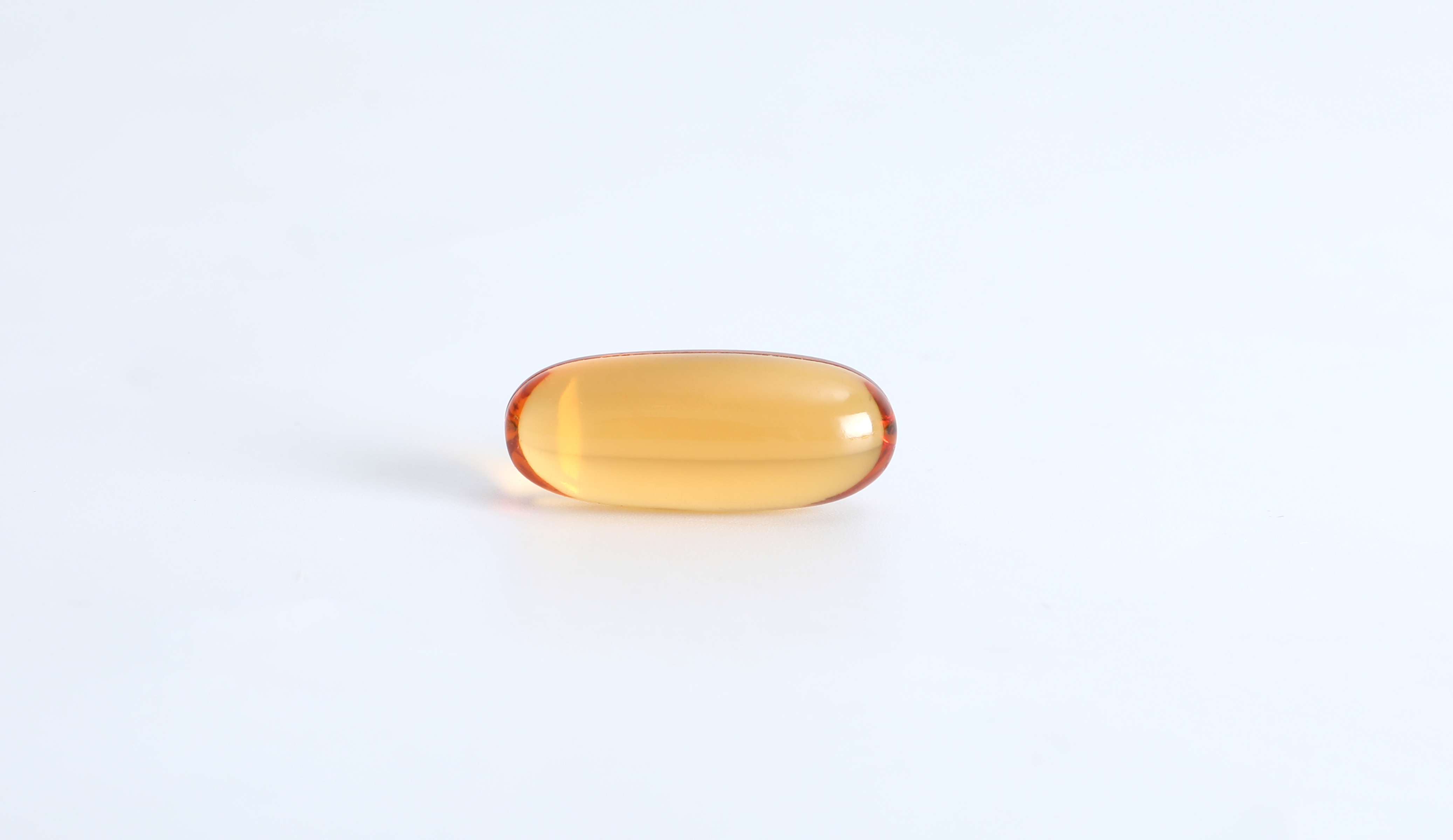
Softgel specification: Oblong, Oval, Calabsh, Bone or Heart; 250–1,200 mg total weight; 60–450 softgels per bottle.
Gummy: 18 mould shapes and the shortest shelf life in the portfolio
Gummies carry the largest shape library: Small Conical, Dome disk, Hemispherical, Grape, Hexagon, Berry, Heart-shaped, Windmill, Orange, Round berry, Fanned orange, Round flat berry, Bear, Rectangular vortex, Ring, Sakura, Apple and Cat Paw — 18 moulds in total. Total weight is 2 g to 7 g per gummy, with 60 to 260 gummies per bottle. Base systems are pectin-based, gelatin-based or mixed gel-based. Packaging is HDPE bottle with CRC cap. Shelf life is 12, 18 or 24 months from production date — the shortest range of the five forms.
Storage is stated more tightly than for the other forms: below 25°C in a cool, dry place, tightly sealed against moisture, with high temperatures explicitly to be avoided. For a gummy dietary supplement contract manufacturer brief, the shape and the shelf life are linked decisions. A 7 g gummy in a novelty mould is a different stability and packing problem from a 2 g dome disk, and the 12-month shelf-life option exists precisely because not every combination should be pushed to 24.
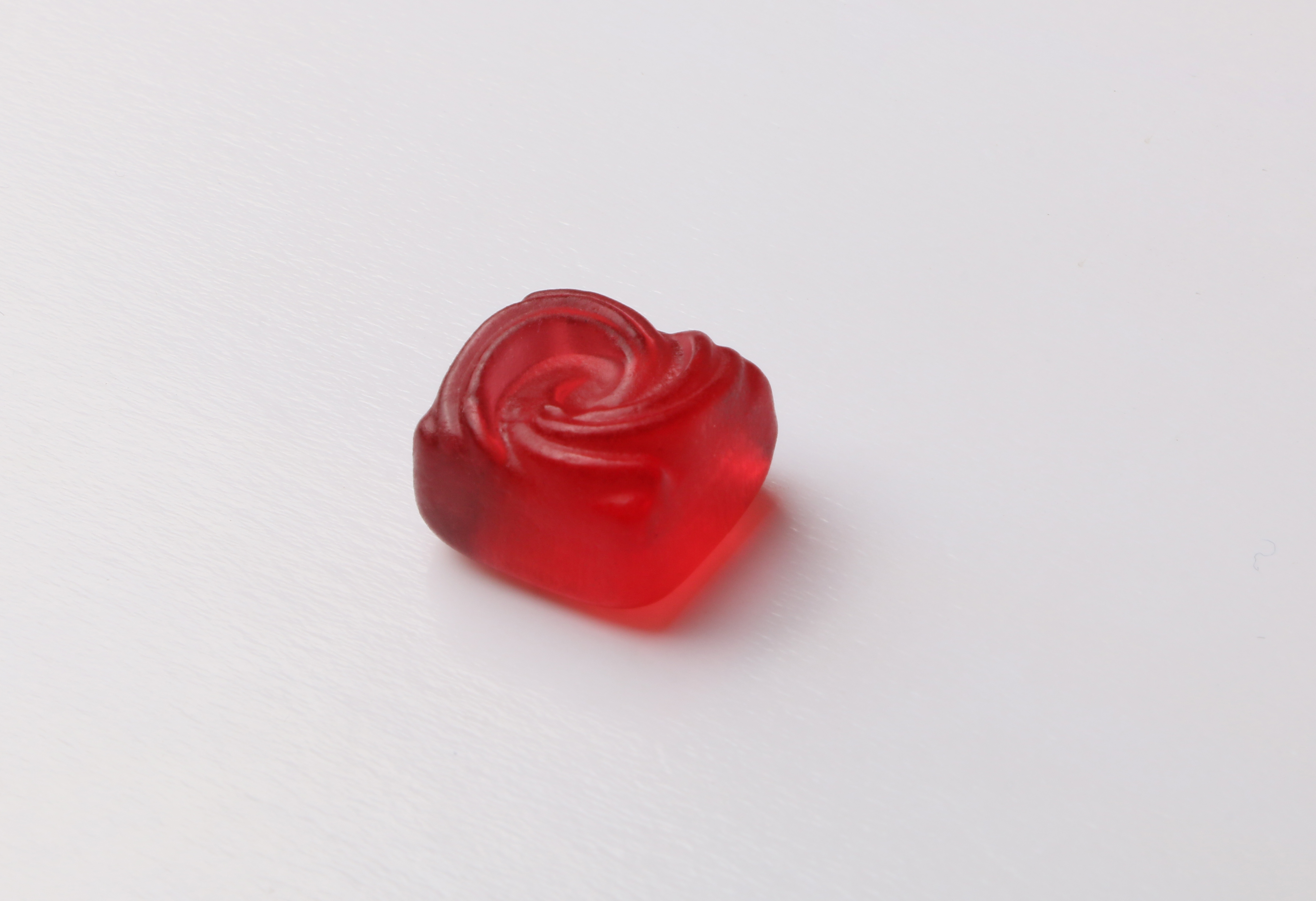
Gummy specification: 18 mould shapes; 2–7 g per gummy; 60–260 gummies per bottle; 12/18/24 months shelf life.
Chewable Burstlet: three shapes, softgel-like weights
Chewable Burstlets are specified in three shapes — Ball, Fish and Calabsh — at 250 mg to 1,200 mg total weight, with 60 to 450 Burstlets per bottle. Base systems are pectin-based or gelatin-based. Packaging is HDPE bottle, aluminum blister or CRC cap; shelf life is 24 or 36 months; storage is below 25°C in a cool, dry place, tightly sealed and protected from moisture and direct sunlight.
The Burstlet specification is the closest neighbour to the softgel in weight and count, which makes it the form where mis-specification is least visible on paper. The distinguishing fields are the shape list and the chewable delivery itself — so the brief should name the shape and confirm the base system, not simply reuse a softgel line item.

Chewable Burstlet specification: Ball, Fish or Calabsh; 250–1,200 mg; 60–450 per bottle; 24/36 months shelf life.
How to Read a Dosage Form Specification in Seven Steps
The sequence below is the order in which a specification should be read before a quotation is compared, because each step constrains the ones that follow.
- Confirm the dosage form and the shape. Tablet: Oval, Oblong, Round, Special-shaped. Capsule: 000#–5#. Softgel: Oblong, Oval, Calabsh, Bone, Heart. Gummy: one of 18 moulds. Burstlet: Ball, Fish, Calabsh. Shape is a tooling decision and should never be left to “standard”.
- Read the weight as a total weight. Tablet 200–2,900 mg; capsule 350–1,200 mg shell plus content; softgel 250–1,200 mg; Burstlet 250–1,200 mg; gummy 2–7 g. State the target weight and the acceptable band in the same sentence.
- Lock the shell or base system. Capsule: gelatin or vegetarian. Softgel and Burstlet: pectin-based or gelatin-based. Gummy: pectin-based, gelatin-based or mixed gel-based. The same dose in a different base is a different specification.
- Set the unit count per bottle. Tablet and capsule 60–1,000; softgel and Burstlet 60–450; gummy 60–260. Check the count against the retail pack before confirming, not after.
- Name the primary pack. HDPE bottle, aluminum blister and CRC cap for tablet, capsule, softgel and Burstlet; HDPE bottle and CRC cap for gummy. Blister tooling and bottle filling are separate qualification paths.
- Assign shelf life and storage to the form, not to the brand. 24/36 months for tablet, capsule, softgel and Burstlet; 12/18/24 months for gummy. Storage below 25°C applies across the portfolio, with gummies carrying the additional instruction to avoid high temperatures.
- Write the acceptance criteria into the purchase order. Unit weight band, count tolerance, shape conformity to the approved mould, pack seal integrity and the batch documentation set. A specification without acceptance criteria is a description, not a requirement.
Packaging, Shelf Life and Storage: Where the Forms Actually Diverge
Across the five forms, packaging converges and shelf life diverges. Four of the five — tablet, capsule, softgel and Chewable Burstlet — share the same three-pack specification: pharmaceutical grade HDPE bottle, aluminum blister and child-resistant closure cap. Gummies are specified for HDPE bottle and CRC cap.
Shelf life is where the portfolio splits cleanly. Tablet, capsule, softgel and Burstlet are each specified at 24 or 36 months from production date. Gummies are specified at 12, 18 or 24 months. Storage is consistent at below 25°C in a cool, dry place, tightly sealed and protected from moisture and direct sunlight, with the gummy specification adding explicit avoidance of high temperatures.
Buyer implication: when a brand plans one artwork system across multiple dosage forms, the shelf-life declaration and the storage statement must be written per form. A single 36-month claim applied across a mixed portfolio will be wrong for the gummy line.
Use Cases: Three Specification Decisions in Practice
1. A high-dose tablet programme
A brand formulating a high-dose single-tablet product is working at the top of the 200–2,900 mg range. The specification questions that matter are shape (Oval or Oblong usually carry the larger weights better than Round), pack choice (HDPE bottle at 60–1,000 count versus blister), and whether the 24 or 36-month shelf-life option is required for the intended market. Order volume is the next gate: tablet MOQ is 0.3 million units, with a lead time of 2.5 to 3 months.
2. A vegetarian capsule line for a European brand
Here the decisive field is shell material. The capsule specification supports both Gelatin Capsule and Vegetarian Capsule at 350–1,200 mg total weight across sizes 000# to 5#, in bottles of 60–1,000. A veggie capsule brief narrows the applicable line and should be confirmed site by site rather than assumed from a portfolio-level statement — this is the practical reason a buyer asks a veggie capsule contract manufacturer which facility will run the batch, before asking for price.
3. A children's gummy with a shaped mould
The gummy specification gives 18 moulds, from Bear and Cat Paw to Sakura and Ring, at 2–7 g and 60–260 units per bottle, with a 12, 18 or 24-month shelf life. The specification decision is a pairing: the mould choice and the weight band together determine the packing format, and the shelf-life option should be selected with the retail channel in mind rather than defaulted to the maximum. Gummy MOQ is 0.6 million units.
Dosage Form Specification Comparison
| Parameter | Tablet | Hard Capsule | Softgel | Gummy | Chewable Burstlet |
|---|---|---|---|---|---|
| Shapes / sizes | Oval, Oblong, Round, Special-shaped | Size 000#, 00#, 0#, 1#, 2#, 3#, 4#, 5# | Oblong, Oval, Calabsh, Bone, Heart | 18 moulds incl. Bear, Ring, Heart-shaped, Dome disk, Sakura, Cat Paw | Ball, Fish, Calabsh |
| Total weight per unit | 200 mg – 2,900 mg | 350 mg – 1,200 mg (shell + content) | 250 mg – 1,200 mg | 2 g – 7 g | 250 mg – 1,200 mg |
| Units per bottle | 60 – 1,000 | 60 – 1,000 | 60 – 450 | 60 – 260 | 60 – 450 |
| Shell / base system | No shell variant listed | Gelatin; Vegetarian | Pectin-based; Gelatin-based | Pectin-based; Gelatin-based; Mixed gel-based | Pectin-based; Gelatin-based |
| Primary packaging | HDPE bottle, aluminum blister, CRC cap | HDPE bottle, aluminum blister, CRC cap | HDPE bottle, aluminum blister, CRC cap | HDPE bottle, CRC cap | HDPE bottle, aluminum blister, CRC cap |
| Shelf life | 24 / 36 months | 24 / 36 months | 24 / 36 months | 12 / 18 / 24 months | 24 / 36 months |
| Storage | Below 25°C, cool dry, sealed, away from moisture and sunlight | Below 25°C, cool dry, sealed, away from moisture and sunlight | Below 25°C, cool dry, sealed, away from moisture and sunlight | Below 25°C, sealed, protect from moisture and heat, avoid high temperatures | Below 25°C, cool dry, sealed, away from moisture and sunlight |
All figures in the table are the published specification values for IVC Nutrition Corporation's dosage form portfolio. They describe supported ranges, not target values: a brief that names a number inside the range is complete, and a brief that names a number outside it is a development request.
Purchasing Terms and Acceptance Criteria to Clarify
Commercial terms are where a correct technical specification either becomes an order or stalls. The published order parameters for the portfolio are a lead time of 2.5 to 3 months and minimum order quantities of 0.3 million tablets, 1 million capsules and 0.6 million gummies. Softgel and Chewable Burstlet minimums are not published in the same way and should be confirmed per project rather than inferred from the tablet or capsule figure.
Scale is the other side of the same question. Monthly capacity is reported at approximately 4.33 billion tablets, 500 million hard capsules and 375 million gummies, which is the number to compare against a forecast rather than against a first order. Quality control is stated as 100% test, and all products are manufactured in a GMP-grade clean area to meet international standards — both are specification-relevant commitments that should appear as acceptance language, not as background.
- Unit weight band — the numeric range the batch must fall inside, expressed as total weight per unit.
- Count tolerance — the permitted deviation from the declared count per bottle, per form.
- Shape conformity — approval of the specific mould or tooling before production, referenced by name.
- Pack integrity — seal and closure performance for the chosen pack: HDPE bottle with CRC cap, or aluminum blister where specified.
- Shelf-life commitment — the exact option selected (24 or 36 months; 12, 18 or 24 months for gummies) and the storage statement that will appear on the label.
- Documentation set — the records released with the batch, aligned to the CGMP expectation that product is packaged and labeled as specified in the master manufacturing record.
- Change control — who approves a later change to shell material, mould, pack or shelf-life claim, and how that change is documented.

Dosage form specifications are executed in GMP-grade clean areas; all products are manufactured to meet international standards, with 100% test as the stated quality control position.
FAQ
1. Which compliance requirements should a dosage form specification reference?
For the US market, the manufacturing, packaging, labeling and holding of dietary supplements falls under the current good manufacturing practice framework in 21 CFR Part 111, and FDA guidance describes the rule as requiring operators to establish and follow CGMP procedures so product is packaged and labeled as specified in the master manufacturing record. Labeling follows DSHEA, while advertising claims fall under the FTC's Health Products Compliance Guidance. It is important to separate these obligations: a specification sheet demonstrates what will be made, not that a manufacturer is compliant. Supplier compliance must be verified separately through certificates, inspection records and quality agreements — and a label database entry is not evidence of regulatory conformity, since the NIH Dietary Supplement Label Database states that it does not verify conformity with FDA requirements.
2. Can one contract manufacturer supply both gelatin and vegetarian versions of the same dosage form?
Yes, at portfolio level. The hard capsule specification lists both Gelatin Capsule and Vegetarian Capsule across sizes 000# to 5# at 350–1,200 mg total weight. Gummies support pectin-based, gelatin-based and mixed gel-based systems across 18 moulds at 2–7 g. Softgels and Chewable Burstlets each support pectin-based and gelatin-based shells at 250–1,200 mg. The practical qualification step is to confirm which manufacturing site runs the vegetarian or pectin line for the intended form, and to have that site named in the quotation and the quality agreement.
3. What order volumes do these dosage forms require, and how does that affect budget?
Published minimum order quantities are 0.3 million tablets, 1 million capsules and 0.6 million gummies, with a lead time of 2.5 to 3 months. The technical specification directly drives the budget through three levers: the unit weight band (a heavier unit consumes more material per dose), the count per bottle (60–1,000 for tablets and capsules, 60–450 for softgels and Burstlets, 60–260 for gummies), and the pack format (bottle versus blister, with CRC cap where specified). Softgel and Chewable Burstlet minimums are project-specific and should be quoted rather than estimated from the tablet or capsule figure.
4. How should a buyer validate a dosage form specification before committing to production?
Validate in the order the specification is written. Confirm the shape or size code against the published list — Oval, Oblong, Round or Special-shaped for tablets; 000# to 5# for capsules; Oblong, Oval, Calabsh, Bone or Heart for softgels; one of 18 moulds for gummies; Ball, Fish or Calabsh for Burstlets. Confirm the total weight against the published band. Confirm the shell or base system. Then confirm the pack, the shelf-life option and the storage statement. A sample should be requested against that exact combination, because a sample built on a different weight band or mould does not validate the specification. IVC Nutrition Corporation supports sample and quotation requests through enquiry@ivcinc.cn and its published catalogue.
5. What lead time applies, and what determines it?
The published lead time is 2.5 to 3 months. The sections of a specification that most affect scheduling are the ones that require tooling or qualification rather than standard running: a Special-shaped tablet or an unusual gummy mould, a move to aluminum blister where the base pack is an HDPE bottle, a shift between gelatin and vegetarian or pectin-based systems, and a shelf-life option that requires the longer stability path. Finalising those fields before the quotation stage is the most reliable way to keep the schedule inside the published window. To move from specification to a priced, schedulable project, IVC Nutrition Corporation can be reached at enquiry@ivcinc.cn or on WhatsApp at +1 213 865-3484.
Conclusion
A dosage form specification is short, numeric and easy to read once the fields are known. For tablets it is a shape family and a 200–2,900 mg window. For hard capsules it is a size code, a 350–1,200 mg total weight that includes the shell, and a gelatin or vegetarian decision. For softgels it is five shapes at 250–1,200 mg in bottles of 60–450. For gummies it is one of 18 moulds at 2–7 g with a 12, 18 or 24-month shelf life. For Chewable Burstlets it is three shapes at 250–1,200 mg. Packaging is HDPE bottle, aluminum blister and CRC cap across four of the five forms, and HDPE bottle with CRC cap for gummies; storage is below 25°C throughout.
The buyers who get comparable quotations and clean audits are the ones who write those six fields down — shape, total weight, shell or base, count, pack, shelf life and storage — and then attach acceptance criteria to each. Everything else in the negotiation, from MOQ to lead time to price, is downstream of that one page.
Request a Specification Review, Sample or Quotation
IVC Nutrition Corporation manufactures tablets, hard capsules, softgels, gummies and Chewable Burstlets across 9 international manufacturing sites, with more than 5,000 employees and a portfolio serving customers in more than 80 countries.
- Email: enquiry@ivcinc.cn · Tel: +86 15106137127 · WhatsApp: +1 213 865-3484
- Website: www.ivcinc.net
- Download the full product and capability brochure: IVC Nutrition Corporation Brochure (PDF)
Have Questions or Need More Details?
Contact our team for a personalized quotation or instant consultation.
Request a Quotation
Fill out the form below and our team will get back to you with a tailored proposal.
WhatsApp Direct Chat
Prefer to chat in real-time? Message us on WhatsApp for instant assistance & quick answers.
- Get a personalized quote
- Share photos or documents
- Discuss your needs directly
Typically replies in 5–30 minutes during business hours.