
36-Month Tablet Shelf Life, Wrong Packaging: A Dietary Supplement Contract Manufacturer Fix
Short answer: a 36-month tablet shelf life is not a property of the tablet alone. It belongs to a packed configuration, and four elements have to be fixed together before the claim is printed — the count in the bottle (60–1000 tablets), the total tablet weight (200 mg–2900 mg), the container and closure (pharmaceutical grade HDPE bottle, aluminum blister, child-resistant closure), and the storage condition (below 25°C, cool and dry, tightly sealed, protected from moisture and direct sunlight). A dietary supplement contract manufacturer that locks all four into one specification is what keeps a 36-month label from becoming an unsupported number.
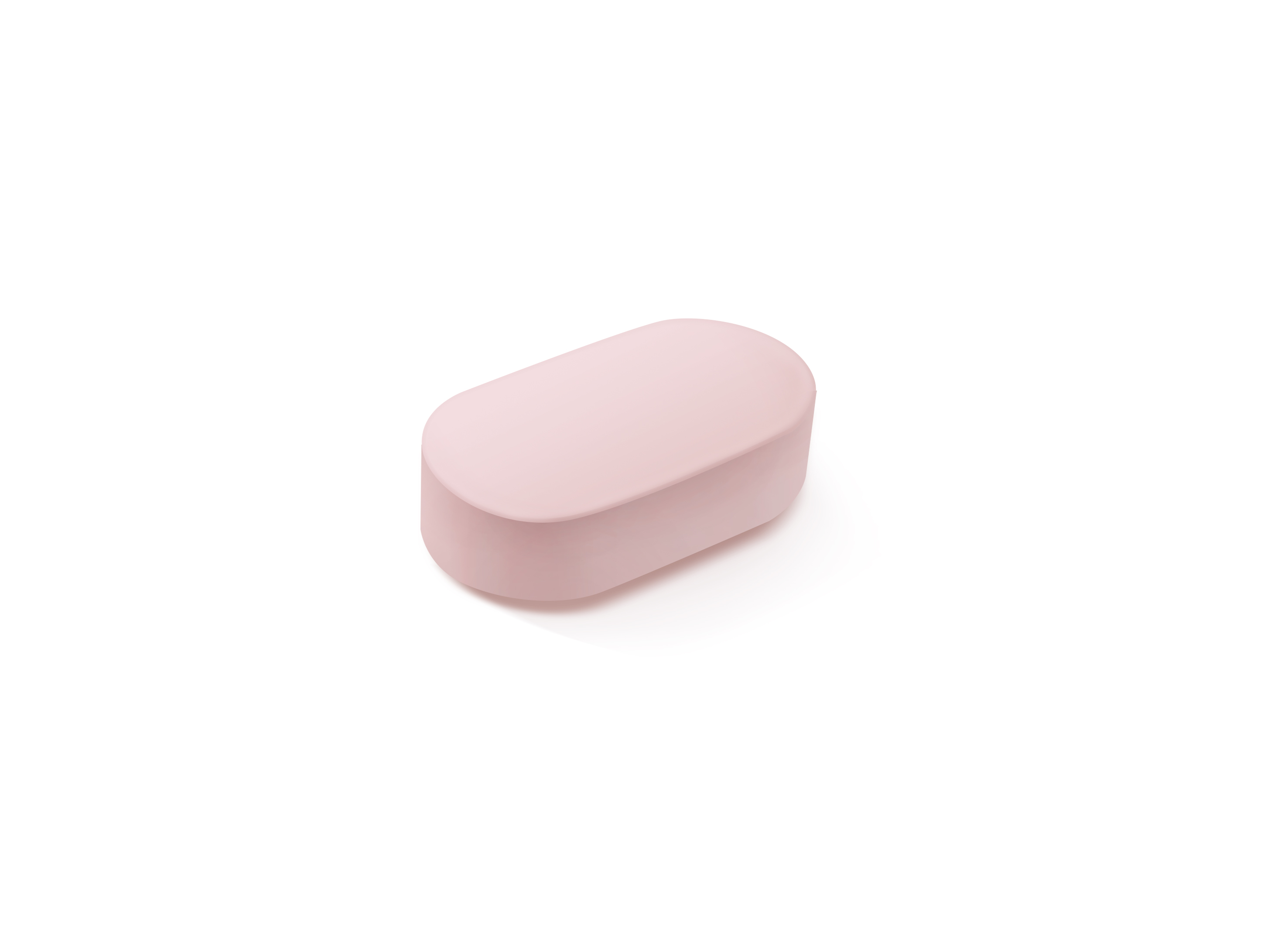
Tablets are only one half of a shelf-life claim. The bottle, closure, count and storage statement are the other half.
A brand writes 36 months — and the packing line has not been asked yet
The label copy is usually the first thing a brand team approves and the last thing it reopens. By the time artwork carries the line “36 months from production date”, the formula, the tablet shape and the front-of-pack positioning are settled. What is often still open sits one level down: how many tablets go in the bottle, what each tablet weighs, which closure is used, and what storage sentence sits beside the claim.
When those four decisions are made later — by a packaging broker, a co-packer, or a template inherited from a previous product — the shelf-life statement is usually carried forward unchanged. The finished pack looks compliant on the outside and is undocumented underneath. The tablets may be perfectly good; the claim behind them is not yet defined.
The corrective is not a new formula or a new market entry. It is a specification decision taken early enough that the packaging, the stability work and the master manufacturing record all describe the same pack.
What “wrong packaging” means for a 36-month tablet claim
In tablet manufacturing, packaging is not a container bought after production. It is part of what the shelf-life statement refers to. Four variables define it, and in the tablet specification they are written side by side rather than scattered across separate agreements.
Count per bottle — 60 to 1000 tablets
The tablet specification covers 60–1000 tablets per bottle. The count is not a marketing preference that can be changed at the printer: it fixes how many tablets share one container, which container size is used, and which packed configuration is documented. A brand planning a 1000-count club-format bottle and a 60-count pharmacy bottle has two configurations, even when the tablets inside are identical. Treating the second count as a copy of the first is one of the most common sources of a mismatched claim.
Tablet weight — 200 mg to 2900 mg
Total tablet weight runs from 200 mg to 2900 mg across oval, oblong, round and special-shaped tooling. Weight drives the compression setup, and it also drives the physical relationship between tablet and container: a large tablet at the upper end of the range and a small tablet at the lower end do not occupy the same bottle in the same way, even at an identical count. A weight change after the pack has been sized is a specification change, not a cosmetic one.
Container and closure
Three packaging materials are named in the tablet specification: pharmaceutical grade HDPE bottle, aluminum blister, and child-resistant closure (CRC cap). Each produces a different packed configuration. The bottle is the format most brands picture first; the blister changes the primary pack entirely; the CRC cap is a closure decision that has to be made before documentation is written, not substituted on the filling line. The specification does not present one option as automatically superior — it presents the set from which the market-appropriate configuration is chosen and then fixed.
Storage condition — below 25°C
Storage is written into the specification: store in a cool, dry place at temperatures below 25°C, keep tightly sealed, and protect from moisture and direct sunlight. A 24- or 36-month claim and a storage instruction are a pair. Printing the months while leaving the storage sentence to a distributor's discretion breaks the pair, because the claim and the condition it depends on are then no longer travelling together.
Why tablet packaging claims fail more often than the tablet
Tablets carry scale. Tablets held the largest market share by dosage form in 2025 at 28.0%, according to Grand View Research's dietary supplement contract manufacturing analysis. The tablet specification's own shelf-life range runs to 36 months, which means a brand claiming 36 months is claiming the top of the documented range rather than a middle value — and top-of-range claims have the least room for a packaging assumption that was never written down.
US regulation places packaging inside the quality system rather than beside it. Dietary supplement manufacturers, packagers, labelers and holders are subject to the current good manufacturing practice framework in 21 CFR Part 111. The FDA's small entity compliance guide describes that rule as requiring the parties who manufacture, package, label or hold a dietary supplement to establish and follow CGMP procedures that help ensure product quality and ensure the supplement is packaged and labeled as specified in the master manufacturing record. Packaging conformity is therefore a documented obligation, not a logistics detail.
Two further layers belong to the brand. Under DSHEA, dietary supplements must be labeled according to the Dietary Supplement Health and Education Act, as the California Department of Public Health restates on its supplement page. Advertising and promotional claims fall under the FTC's Health Products Compliance Guidance, which updates and replaces the earlier guide titled Dietary Supplements: An Advertising Guide for Industry. Together these mean a shelf-life statement has an owner, a label expression and a production record behind it — and the production record is the manufacturer's deliverable.
Buyers who try to settle the question with market sizing usually end up with a weaker answer than they started with. Public estimates of the dietary supplement contract manufacturing market diverge by multiples between commercial research vendors for adjacent base years, without disclosing segment scope or revenue basis, so they cannot be averaged or compared. None of those figures says whether a specific bottle, closure and count will carry a 36-month claim. Only a supplier's specification and stability work answers that.
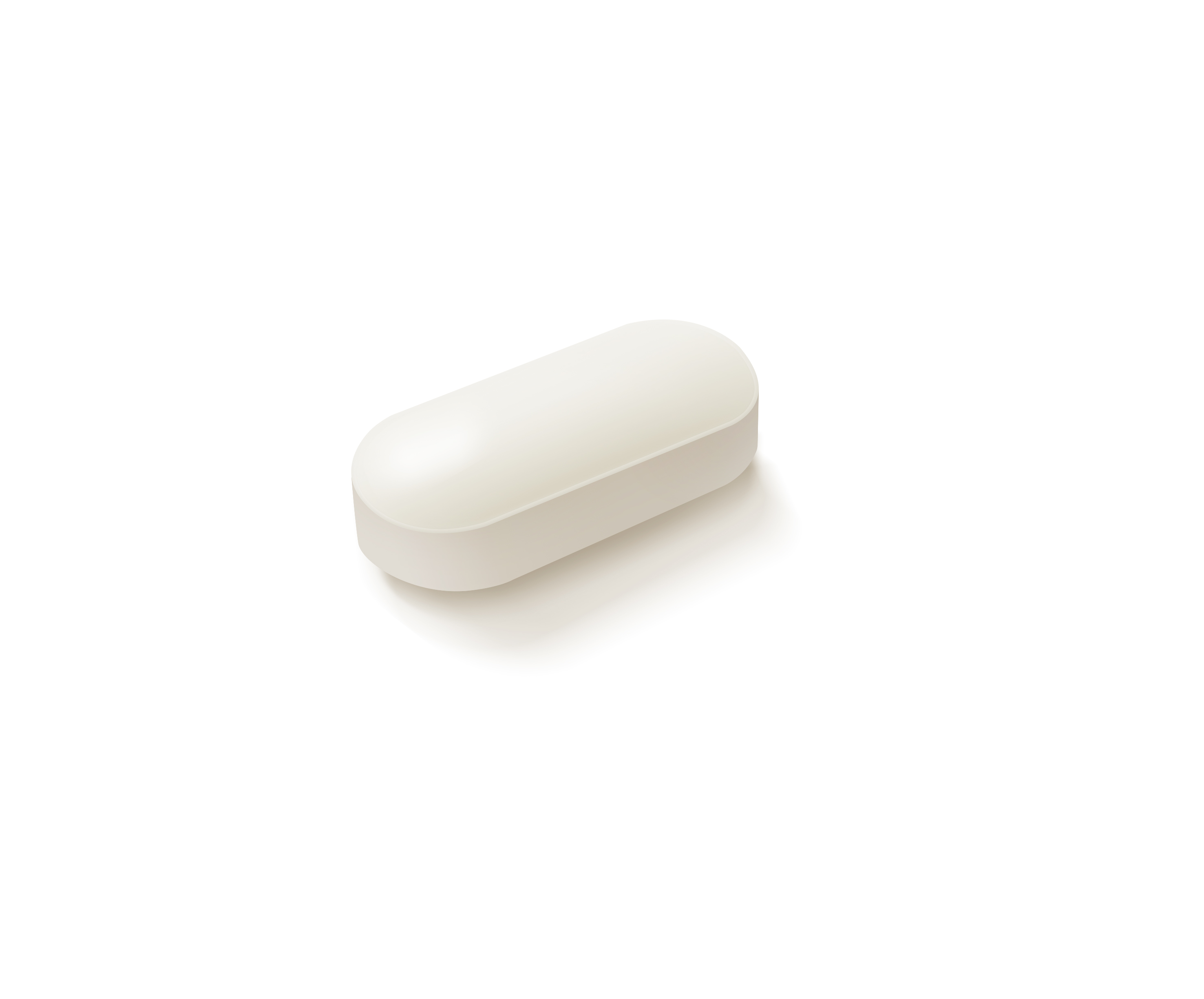
Tablet weight is chosen inside the 200 mg–2900 mg range and then fixed; the pack is sized around the result.
The fix: one locked tablet specification
IVC Nutrition Corporation (IVC) is a contract development and manufacturing organization in the VMS and OTC market, operating nine international manufacturing sites and serving customers in more than 80 countries according to its company profile. Its tablet specification is a practical model for this problem because the packaging and shelf-life variables sit in the same document as the tablet itself instead of across three separate supplier agreements.
The tablet specification states: 60–1000 tablets per bottle; total tablet weight 200 mg–2900 mg; oval, oblong, round or special-shaped; pharmaceutical grade HDPE bottle, aluminum blister and child-resistant closure (CRC cap); shelf life of 24 or 36 months from production date; and storage in a cool, dry place below 25°C, tightly sealed and protected from moisture and direct sunlight.
What turns that list into a fix is the manufacturing context around it. Tablet production runs in a GMP-grade clean area, on automated production lines that include high-speed automated tablet pressing, with quality scope covering in-process control, microbiological testing, physical and chemical analysis, equipment qualification and calibration, stability studies, and GMP documentation and batch release. Primary and secondary packaging sit inside the same operational scope. A brand settling its packaging therefore settles it with the party that also holds the batch record — which is the difference between a claim that can be evidenced and one that can only be asserted.
The capability boundary matters as much as the capability. IVC states a manufacturing lead time of 2.5–3 months, a tablet minimum order quantity of 0.3 million tablets, 100% testing, and a tablet engineering team within a stated 100+ engineers across a 118,545 m² footprint. Those are the numbers that decide whether a packaging change is a project decision or a re-plan, and they should be read before the label is approved rather than after.

Tablet compression, packaging and batch documentation sit in the same GMP-controlled operational scope.
Step by step: aligning a 36-month claim before launch
The sequence below is the order that prevents rework. Each step produces a decision the next step depends on, and none of them is improved by being done in parallel with artwork approval.
- Write the claim as a number and a configuration. Before briefing anyone, state the claim as “36 months from production date in a [count]-tablet [container] with [closure], stored below 25°C”. If the sentence cannot be finished, the claim is not yet defined.
- Fix the tablet weight and shape inside the tooling range. Choose a total weight between 200 mg and 2900 mg and a shape from oval, oblong, round or special-shaped. Confirm the compression setup before the pack is sized, because weight and count together determine what the container has to hold.
- Fix the count per bottle and the bottle that carries it. Choose a count between 60 and 1000 and treat each additional count as its own packed configuration. Where the brand sells a 60-count and a 1000-count version, both go into the specification and both need documentation.
- Choose the container and closure, then stop substituting. Select pharmaceutical grade HDPE bottle, aluminum blister or a combination, and decide on the child-resistant closure at the same time. A closure swap after stability work and artwork approval puts the project back into the specification stage.
- Put the packed configuration into stability work and the batch record. Stability studies are part of the stated quality scope, alongside in-process control and physical and chemical analysis. The configuration being studied should be the configuration being sold, and the master manufacturing record should describe the same pack the label describes.
- Test and release against that record. 100% testing and GMP documentation with batch release are the evidence trail. A brand asking for a 36-month claim should ask for the release documentation of the packed configuration, not only for a tablet specification sheet.
- Print the storage condition and control it downstream. Put the below-25°C, cool, dry, tightly sealed, protected-from-moisture-and-sunlight instruction on the label, in the artwork and in the distributor or retailer handling instructions together. The storage sentence is part of the claim, so it should not be paraphrased by a third party.
- Schedule the configuration decision ahead of the lead time. With a stated 2.5–3 month manufacturing lead time, the packaging decision has to land before production is scheduled, not during it. A change made after stability work and artwork approval consumes the buffer that the lead time assumed.
Four tablet scenarios where alignment decides the launch
The same specification produces very different projects depending on the pack. In each case the question is not “can this be made?” but “is this configuration the one that was documented?”.
1. The 1000-count club-format multivitamin bottle
A high-count bottle for a membership club channel is the scenario where count drives everything else: bottle size, closure, carton, and the packed configuration that stability work has to describe. Because 1000 sits at the top of the stated count range, this is also the configuration least tolerant of a late change. A brand that validates the 60-count first and assumes the 1000-count follows is carrying an assumption rather than a specification.
2. The 60-count pharmacy pack
A 60-count bottle for a pharmacy chain is the opposite pressure point. The tablet is identical, the pack is not. Artwork, label counts, carton dimensions and the storage statement all change, and the child-resistant closure decision has to match what the channel expects. The tablet specification supports the count; the project still needs the configuration confirmed and documented.
3. The aluminum blister
Where a brand chooses aluminum blister packing instead of a bottle, the primary pack changes rather than the tablet. Blister is listed alongside the HDPE bottle in the tablet specification, which makes it a legitimate option — but it is a different packed configuration, so the stability and documentation work belongs to that configuration, not to the bottle version of the same tablet.
4. The large tablet near the top of the weight range
Formats such as a glucosamine-type tablet sit closer to the 2900 mg ceiling, where shape and tooling matter more and where the relationship between tablet size and bottle count becomes visible to the consumer. A large tablet in a count chosen for a small tablet is the clearest example of packaging driving a shelf-life decision: the claim is unchanged, but the pack that carries it is not the pack that was planned.
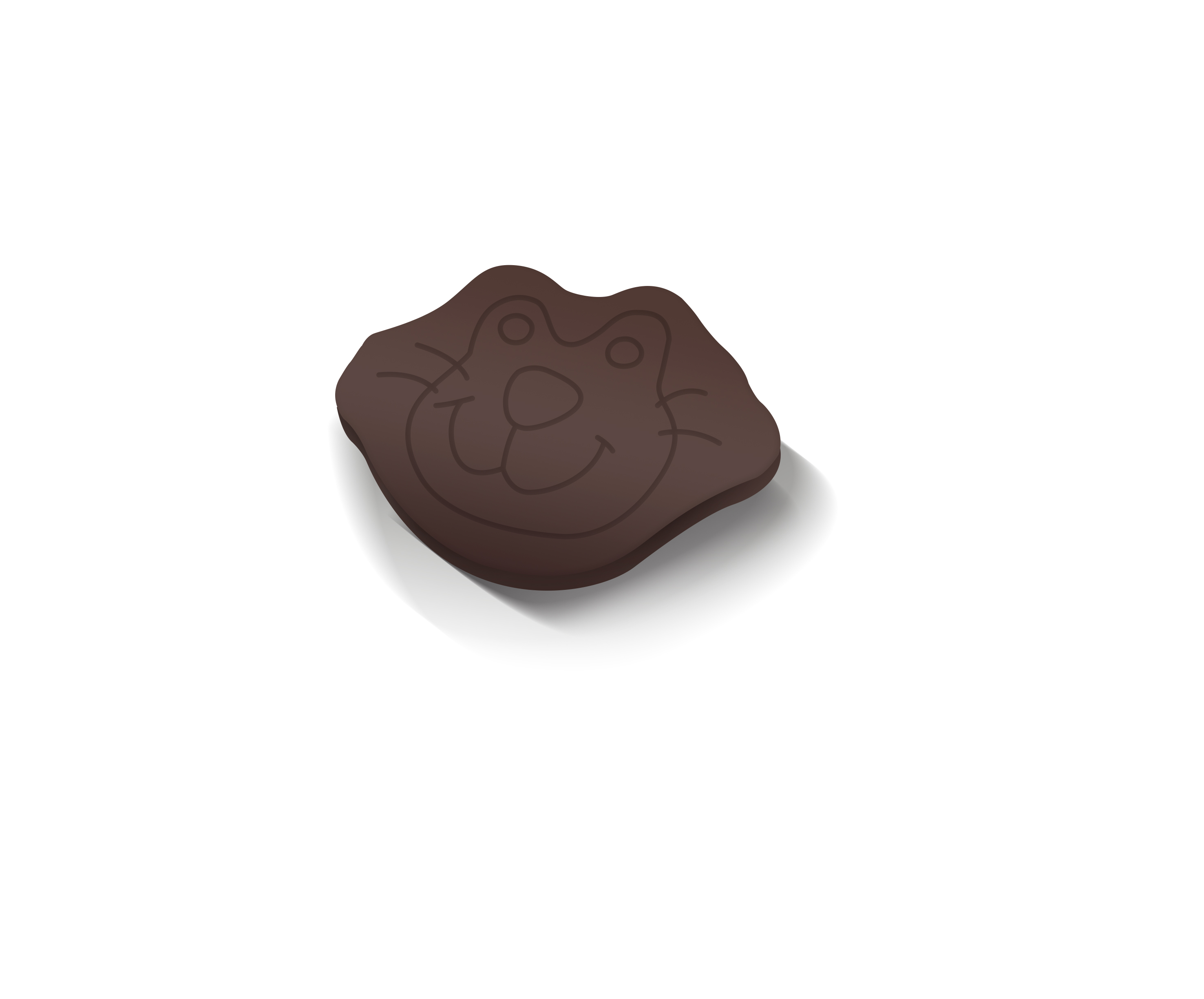
Each bottle count is its own packed configuration, even when the tablet inside is identical.
Tablet packaging and shelf-life check before launch
The table below keeps the specification values and the corresponding pre-launch check in one view. Values are those stated in the tablet specification; the right-hand column is a verification step, not an additional product claim.
| Specification element | Stated tablet specification value | Mismatch check before launch |
|---|---|---|
| Count per bottle | 60–1000 tablets per bottle | Label count, bottle size, closure and carton all match the packed configuration that was documented |
| Tablet weight | 200 mg–2900 mg total weight per tablet | Tooling and compression confirmed for the chosen weight; pack sized for the tablet, not inherited from a smaller format |
| Container | Pharmaceutical grade HDPE bottle; aluminum blister | Container type written into the specification, the artwork and the batch record as one value |
| Closure | Child-resistant closure (CRC cap) | Closure decided before stability work and artwork approval; not substituted at filling |
| Shelf life | 24 or 36 months from production date | Claimed months appear consistently in the specification, the master manufacturing record and the label |
| Storage condition | Cool, dry place below 25°C; tightly sealed; protected from moisture and direct sunlight | Identical storage wording on label, artwork, shipping documents and distributor instructions |
FAQ: matching tablet packaging to a 36-month claim
1. Does a 36-month tablet shelf life create extra US compliance obligations?
It places the claim inside a quality system that already exists. Dietary supplement manufacturers, packagers, labelers and holders in the US are subject to the CGMP framework in 21 CFR Part 111, and FDA guidance describes the rule as requiring those parties to establish and follow CGMP procedures that help ensure product quality and that the supplement is packaged and labeled as specified in the master manufacturing record. Labeling is governed by DSHEA, and advertising claims fall under the FTC's Health Products Compliance Guidance, which replaced the earlier dietary supplement advertising guide. The practical consequence for a brand is that the packed configuration behind the claim has to be documented, because packaging and labeling conformity are part of what the record has to show.
2. Can one tablet specification cover both a 60-count bottle and a 1000-count bottle?
The tablet specification supports both, because the stated count range is 60–1000 tablets per bottle. Supported is not the same as documented for a specific project: each count is a separate packed configuration with its own container size, closure application, carton and artwork. A brand selling two counts should confirm both configurations against the specification and hold documentation for each, rather than treating the smaller count as proof for the larger one.
3. What drives cost when packaging has to match a 36-month claim?
No unit prices are quoted here, because packaging cost is configuration-specific rather than catalogue-specific. What a buyer can control is the set of decisions that change the configuration: the minimum order quantity (0.3 million tablets for tablets), the primary pack (HDPE bottle or aluminum blister), the child-resistant closure, the count per bottle, the testing scope behind 100% testing and stability work, and the scheduling room created by a 2.5–3 month lead time. Each of those choices moves the project between configurations, and a configuration change after approval is the expensive version of the same decision.
4. How do we validate the packaging before committing to the full order quantity?
Validate the packed configuration, not just the tablet. Ask for samples in the actual count and container, request the release documentation and test records that accompany that configuration, and confirm the scope of stability work in writing. IVC's stated quality scope covers stability studies together with in-process control, microbiological testing and physical and chemical analysis, and the company publishes its capability brochure for buyers who need the full scope in one document before a technical discussion.
5. How long does the alignment take, and where does the timeline usually slip?
IVC states a manufacturing lead time of 2.5–3 months for its contract manufacturing projects, and the specification work has to sit ahead of that window. The usual slip is not production; it is the count, closure or container being changed after stability work and artwork approval, which sends the project back to the specification stage while the launch date stays fixed. Settling the four packaging variables before the order is scheduled is the cheapest way to protect the 36-month claim and the launch date together.
Conclusion: the claim and the pack are one decision
A 36-month tablet shelf life is a statement about a packed product — a defined tablet weight, a defined count, a defined container and closure, and a defined storage condition. When those elements are chosen after the label copy, the number survives on paper and loses its evidence in practice. The fix is procedural and unglamorous: settle 60–1000 tablets per bottle, 200 mg–2900 mg per tablet, pharmaceutical grade HDPE bottle or aluminum blister, child-resistant closure and sub-25°C storage as one specification, then let stability work, batch documentation and artwork describe that same configuration.
IVC Nutrition Corporation works on tablet projects of this shape as a dietary supplement contract manufacturer and CDMO, with tablet production, packaging, stability studies and batch release inside one GMP-controlled operation, ten years of stated experience supplying daily dietary supplement and private-label programmes to retailers, pharmacy chains, membership clubs and consumer health brands across the US, UK, Germany and Australia, and a 0.3 million tablet minimum order quantity for projects that need a defined start. Brands that want to test a packaging configuration before committing can request samples and a quotation through enquiry@ivcinc.cn or +86 15106137127, and the full capability scope is available in the IVC Nutrition Corporation brochure (PDF).
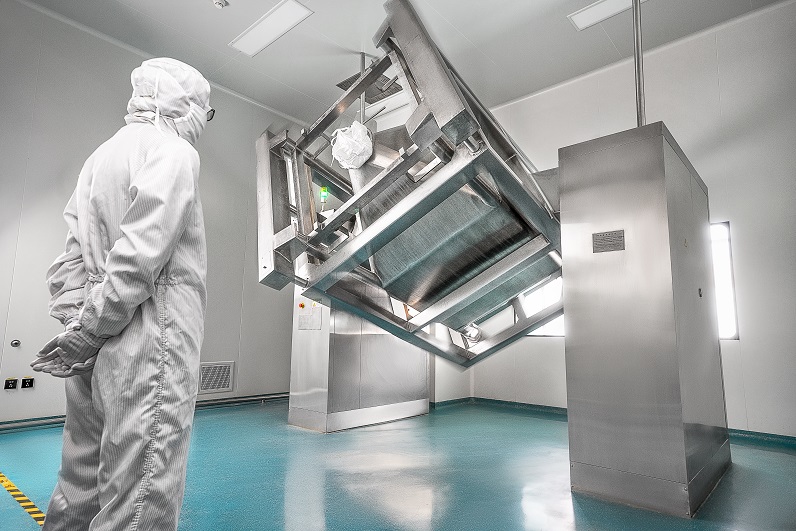
Sample requests and configuration reviews are handled before the 2.5–3 month manufacturing lead time begins.
Scope note: this article uses tablet specifications, manufacturing scope and company-stated capability data. Packaging and shelf-life decisions should be confirmed in writing for the specific count, container and market before label artwork is approved.
Have Questions or Need More Details?
Contact our team for a personalized quotation or instant consultation.
Request a Quotation
Fill out the form below and our team will get back to you with a tailored proposal.
WhatsApp Direct Chat
Prefer to chat in real-time? Message us on WhatsApp for instant assistance & quick answers.
- Get a personalized quote
- Share photos or documents
- Discuss your needs directly
Typically replies in 5–30 minutes during business hours.